Example: 30-45 minutes
N/A
The following section is inspired from content at Why is confidence in the workplace important and how do I improve mine?
Confidence is an important variable to performance, achievement, and overall mental health and happiness! Achieving self-confidence is a tough barrier, especially in a competitive industry, and so it's important to understand the root causes of low self-confidence, and tools to build confidence. Your self- confidence is the key to your success. It is very important to know how to boost up your confidence so that you can make your own position in this competitive world.
Its importance is justified in recent research, which shows that when people are put in situations where they are expected to not do well, their performance plunges. Quite literally, they get into a negative headspace and behave in an undesirable manner. However, when they're expected to do well, they're generally in a positive headspace and their performance improves considerably. Same person, different expectations.
Why do we need it in workspace?
You'll be more assertive: If your words and actions have conviction you'll be taken more seriously, which will help you advance your job and career.
You'll do more: You'll be more likely to engage in challenging, but manageable projects. This will push the boundaries of your comfort zone, which will encourage you to aim for and achieve new goals. These are both valued of characteristics of successful workers. Most importantly, employers will learn to trust you with a project and know that you are likely going to be good at motivating others as well.
You'll communicate more effectively: Confidence allows you to speak concisely and with clarity. Professionals who communicate with confidence can convey what they want to their clients and co-workers in a clear and efficient manner. Effective communication is critically important for career advancement.
Confidence: Poised, balanced, breathing easily, purposeful movement, can deal with anything, can laugh at yourself, knowing it will be okay eventually.
Confident people exhibit:
- Calm, purposeful body language
- Ability to handle challenges with grace
- Self-compassion and humor about mistakes
- Trust that difficulties are temporary
Self-awareness: Understanding what you are good at and recognizing your unique strengths and capabilities.
Ask yourself these important questions:
- What am I good at?
- When have you seen me at my best?
- What should I do more of?
- What should I do less of?
- Where do you think I can stretch?
Consider asking trusted colleagues, mentors, or friends these questions about you to gain external perspective.
Be aware of these confidence killers:
- Taking on too much work
- Belittling leaders or authority figures
- Perfectionism and harsh self-criticism
- Comparing yourself constantly to others
- Focusing only on mistakes and failures
Participants will be able to:
- Clearly define confidence, and move away any confidence misconceptions
- Practice moving away from barriers like the impostor syndrome and negative self-comparison to peers
- Practice rational, positive thinking
- Understand what confidence looks like in practice
- Identify their own strengths and areas for growth
- Apply practical techniques for building confidence
- Use Bernice Moore's confidence-building cycle
- Replace weak language patterns with stronger alternatives
- Perceptions of Confidence
- Root Causes of Low Confidence
- Building Self-Efficacy through Self Assessment
- SWOT Analysis with Strength Focus
- Rational Thinking/Positive Thinking
- Bernice Moore's Theory
- Definition and characteristics of confidence
- Self-awareness and strength identification
- Confidence-building strategies and techniques
- Language patterns that support confidence
- The confidence-competency cycle
Slides
Videos:
This is meant to accompany the slides above (under "Materials")
We're learning about confidence! This lesson is to understand why confidence is important, how confidence can be challenged, and what we can do to combat these challenges to be confident people.
If I were to say "Wow, she is super confident!", what do you think of? Is it positive? Any negative implications?
Sometimes, there can be negative implications for being confident. But the reality is that confidence isn't about being showy to the crowd, or comparing yourself to others. Confidence comes from not worrying about comparing yourself or proving yourself to others. It's the ability to feel equally comfortable with being right or wrong.
Confidence levels manifest in people's behaviors. An important part of confidence is having the self-awareness to know and acknowledge your own mistakes. Everyone makes mistakes! And not fearing making mistakes and failing is key to being able to try something new and take risks to learn and grow.
The data tells us that women experience imposter syndrome more than men, but it's important to remember that everyone experiences this.
Imposter syndrome is a vicious cycle for individuals and only perpetuates low self confidence. Working with a mentor to identify these points in the cycle and work on ways to interrupt the cycle is the only way to work your way out of imposter syndrome. You must be intentional.
To understand where we are now, you can take the Self Confidence Self Assessment Quiz. This will help you understand your level of self efficacy, or how effective you believe you are in handling specific tasks.
An important part of confidence is understanding both your strengths AND weaknesses. Don't be afraid of your weaknesses--they are opportunities to improve. It's important to be aware of your weaknesses, not only so that you know what you can improve on, but also so you can perhaps find ways to solve problems using your strengths, and not necessarily only relying on your weaknesses.
Here are some questions to answer when thinking about your SWOT analysis. What advantages do you have that others don't in terms of skills, experiences, connections, etc.? Which of your achievements are you most proud of? What values do you believe in that others fail to exhibit?
Even if it's as small as realizing what to google to break through a piece of code you couldn't quite figure out, or maybe it's just finally narrowing in on a single problem to solve -- every single step is a step forward and deserves recognition. Celebrate these achievements! 6 months ago -- where were you? What have you learned since then?
We tend to enter a collaborative environment assuming that everyone else knows EVERYTHING and we know this tiny little piece of the picture. In reality, both individuals bring equal opportunity and value to every collaborative situation or work environment. Recognizing the unique value you bring into a situation is a large part of breaking the cycle of negative thinking and low self confidence.
Sometimes, it's hard to quell the self doubt and low confidence. In those cases, it's important to remember: SOS, or Stop, Observe, and Shift! Stop and take a moment to break the cycle of self doubt. Observe your own thoughts, how they make you feel. And then Shift your mental, emotional, and behavioral responses to be positive.
In all situations, whether it's feelings of inadequacy or worrying about performance, ask yourself "What is the opportunity to grow? How can I make this an occasion to celebrate my achievements?"
Building your competencies gives you the ability execute. With increased execution comes increased confidence. In partnership with affirmations, goal setting, and positive thinking, how will you not achieve your goals?! "Just confidence in yourself, without the competence, is also useless — talking the talk is not a sustainable strategy. You need the talk and bravado, but you also need to develop the skills to backup your talk."
Bernice Moore's theory are steps, and really a cycle, of improving both a competency and your self confidence. By practicing these steps, both 1) the skill and 2) feeling confident about your skill can grow!
There are a few core competencies that will help you in any environment. Emotional intelligence will help you understand people, the environment, and how best to respond. Self-awareness can be practiced by constant reflection on your thoughts, feelings, strengths and weaknesses. Get to you know you better! And problem-solving is valuable to any group of people, at any company, in any industry.
Some helpful tools to practice everything we've discussed today is listed in the Toolkit.
Confidence includes also self love and respect. Not having self confidence can impede you from performing at the level you want. Don't let a lack of confidence stand in the way of what you and your brain can achieve!
Courage isn't the absence of fear—it's taking action despite fear. Start with small steps outside your comfort zone.
Replace weak filler words with stronger alternatives:
- Instead of: "Like," "um," "and uh"
- Use: "You see," "Now," "However"
This simple change can make you sound more authoritative and confident.
When the troll's on your back, ask: "What am I choosing to do about it?"
This shifts you from victim mode to empowered action mode.
- Don't pick apart every mistake or foolish thing you've done. Laugh at them and realize life isn't always a "repair job" of everything you did wrong
- You haven't (yet) become what you thought you would. That's OK. Accept it and make a difference.
- Surround yourself with one inspirational story every day
- Keep a Mental Journal - Note your wins and positive moments
- Plan to Celebrate. Celebrate Your Wins - Acknowledge and celebrate your wins, no matter how small
This creates a positive cycle of growth:
- Improve your competencies - Develop new skills and knowledge
- Put them into practice - Apply what you've learned
- See results - Observe the positive outcomes
- Grow more confident - Feel more capable and self-assured
- Repeat - Continue the cycle with new challenges
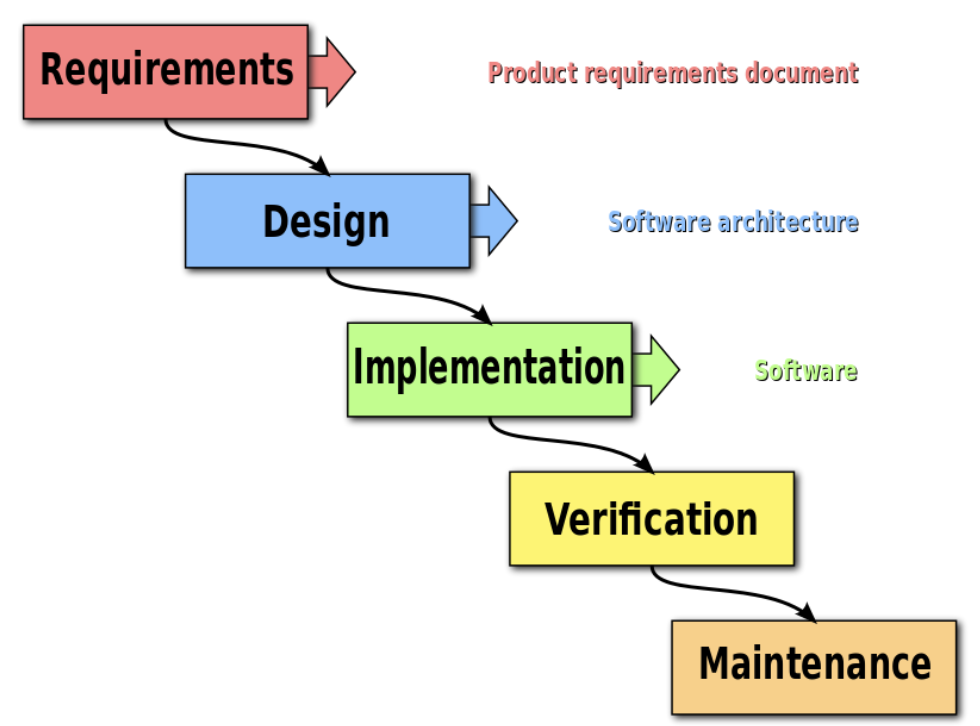
The confidence-building process mirrors systematic development - each phase builds on the previous one.

Sometimes confidence means believing in yourself as much as others believe in themselves, regardless of background or experience level.
Confidence = Arrogance
- Confidence isn't about showing off to others, or proving yourself to others. It's about not even being worried about anyone else, and not being afraid to be wrong or "look bad".
Confidence comes from knowing everything and being good at everything
- As much as someone may project being confident, every person only knows a small slice of the entire pie! It's more important to be aware of what you know and what you don't know.
I can't get better at being confident by practicing
- Confidence is not an exception to the rule that it gets better and easier with practice.
"Confident people never feel scared"
- Confident people feel fear but act anyway. Courage is action despite fear, not absence of fear.
"I should wait until I feel confident"
- Confidence often comes from action, not the other way around. Start before you feel ready.
Split into small groups, and each group can tackle each section and discuss amongst themselves. Basically, individuals in a group can write down their own strengths/weaknesses/etc. independently for a minute, and then discuss with their peers.
- A reference for help: SWOT Analysis
SWOT analysis
-
Complete a SWOT analysis for yourself within the industry.
-
Strengths: What professional qualifications/certifications do you have that make you stand out? What experiences have you had in specific projects or roles that would help in this role? Do you have some sort of expertise that could positively impact an organization?
-
Weaknesses: Do you have the necessary skills/qualifications to be successful in this role? Do you have any bad habits?
-
Opportunities: Is there a position at a company that matches your skill set? Is there a trend in the industry that you can capitalize on in the future? Are there significant changes in the industry that are in your favor?
-
Threats: Is one of your peers doing a better job than you in the same role, or for a role you're both competing for? Are any of your personal traits or bad habits hurting your career advancement?
Additional Weekly Practice:
- Replace weak filler words in one conversation daily
- Write down one thing you did well each day
- Ask one person for feedback using the self-awareness questions
- Take one small action despite feeling nervous
- Implement Bernice Moore's cycle with a specific skill
- What is trust? How important is it in our lives?
- What did a recent survey by kaplanprofessional say about trust?
- Why do we need to be confident in the workspace?
- What do you realize that causes low confidence in you?
- What is SWOT?
- What is the difference between Rational and Positive Thinking?
- What does Bernice Moore's Theory says?
- Follow the steps for SOS (Stop, Observe, Shift), the negative self-talk stopping technique. Also explain the concept of impostor syndrome for awareness!
Additional Check for Understanding Questions:
- What are the key characteristics of confidence?
- How can you identify your strengths using the self-reflection questions?
- What's one technique you'll try this week to build confidence?
- How does replacing weak filler words help build confidence?
- What's the difference between confidence and arrogance?
- What surprised you most about the definition of confidence?
- Which confidence-building strategy resonates most with you?
- How might increased confidence change your career trajectory?
- What's one small step you can take today to build confidence?
Remember: Building confidence is a practice, not a destination. Be patient with yourself as you develop these skills.
- MindTools Affirmation Worksheet
- Rational Thinking/Positive Thinking Worksheet
- MindTools Goal Setting
- Stress Diary
- Building Self Confidence
- Internal Saboteur Assessment
- 5 Things That Will Give You Confidence to Accomplish Anything
- Amy Cuddy: Your body language shapes who you are (TED Talk)
- The Confidence Gap (The Atlantic)
- Detect under-confident language Chrome extension
- Slide presentation by Brianna Connelly & Anna Sheets
Tip: If a site says you've read too many articles, you can generally use a different browser (safari, firefox) to view more.